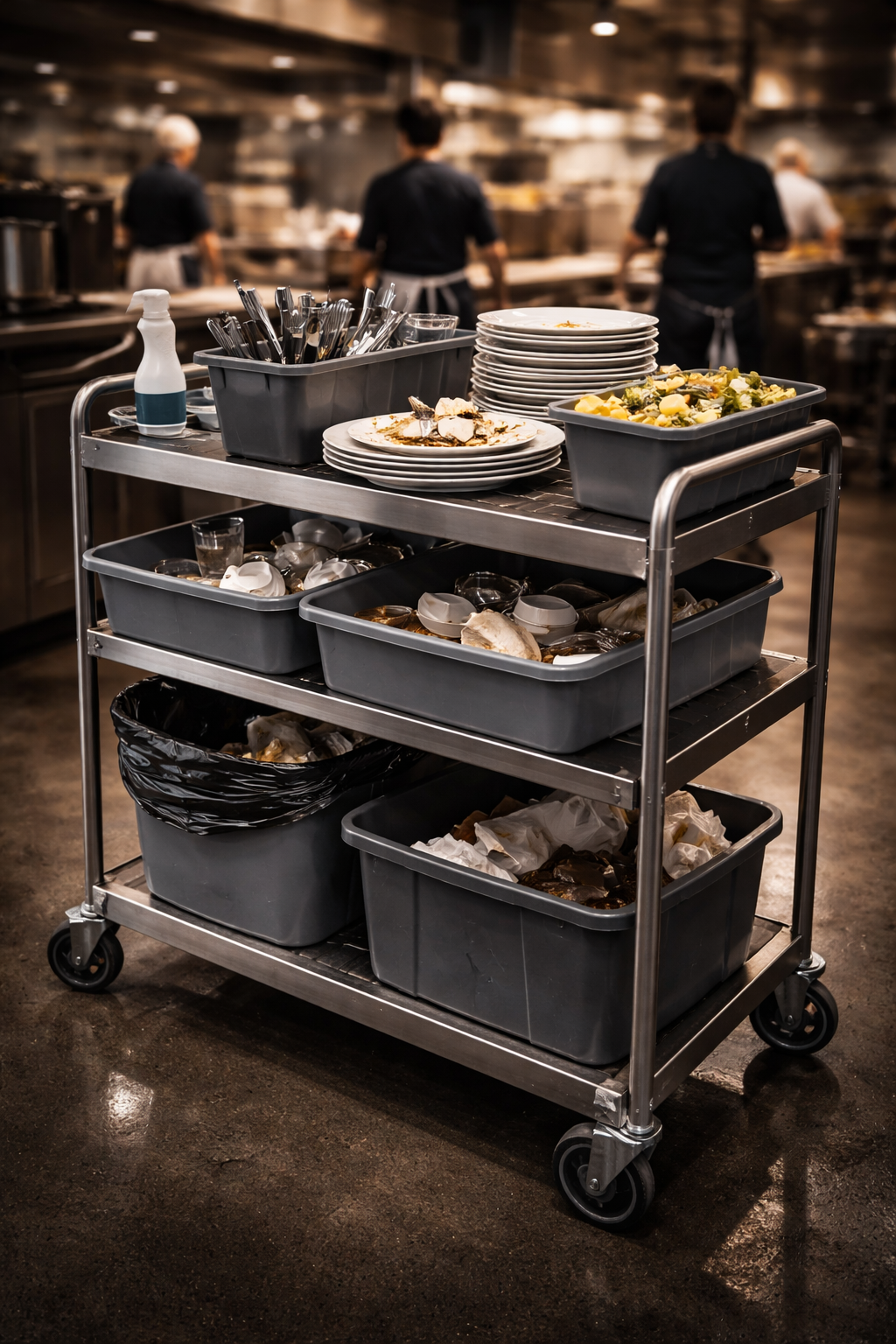
Afruimwagens is a term that doesn’t appear often in casual conversation, yet it plays a quiet but essential role in many workplaces. You’ll most commonly encounter it in environments where cleanliness, efficiency, and smooth workflows matter every single day. Restaurants, hospitals, catering facilities, hotels, and even large offices rely on afruimwagens more than most people realize.
In simple terms, afruimwagens are carts designed for clearing, collecting, and transporting used items. Plates, trays, cutlery, waste bins, linens, or cleaning supplies—these carts help staff move items safely and efficiently from one place to another. The concept sounds straightforward, but the impact on daily operations is significant.
Within the first few minutes of observing a busy service environment, it becomes clear why afruimwagens exist. Without them, staff would make repeated trips, carry unstable loads, and lose valuable time. Over hours and days, that inefficiency adds up.
What Are Afruimwagens?
Afruimwagens are functional transport carts used to clear and move items after use. The word itself comes from Dutch, where “afruimen” means to clear away and “wagens” means carts. Together, the meaning is literal and practical.
Unlike generic trolleys, afruimwagens are purpose-built. They are designed to handle specific tasks such as collecting dirty dishes, transporting waste, or moving cleaning materials. Their structure usually includes shelves, bins, or frames that keep items stable during movement.
The design may look simple, but every element serves a purpose. Wheel placement, shelf height, and material choice all affect how easily staff can work during busy periods.
Why Afruimwagens Are Essential in Professional Settings
Afruimwagens exist because manual clearing has limits. Carrying stacks of plates or bags of waste is not only inefficient but also risky. Slips, spills, and injuries become more likely when loads are unstable or visibility is blocked.
In fast-paced environments, afruimwagens help maintain rhythm. Staff can clear tables, corridors, or rooms quickly without interrupting the flow of service. This consistency matters, especially during peak hours when delays are noticeable.
Over time, these carts also reduce physical strain. Repeated lifting and carrying takes a toll on the body. Afruimwagens distribute weight evenly and reduce unnecessary movement, which helps prevent fatigue and injury.
Common Types of Afruimwagens
Not all afruimwagens are the same. Their design usually reflects the specific environment in which they are used.
Dish Clearing Afruimwagens
These are common in restaurants and cafeterias. They often feature multiple shelves sized for plates and trays, sometimes with racks for cutlery. The goal is to stack items securely while allowing quick loading and unloading.
In busy dining areas, these carts prevent clutter from building up. Staff can clear several tables in one pass instead of making repeated trips to the kitchen.
Waste and Refuse Afruimwagens
In hospitals, hotels, and industrial kitchens, waste handling needs to be controlled and hygienic. These afruimwagens are fitted with bins or bag holders, sometimes with lids to contain odors and reduce contamination.
The materials used here are usually easy to clean and resistant to moisture or chemicals. This matters in environments where hygiene standards are strict.
Linen and Laundry Afruimwagens
Hotels and healthcare facilities often use afruimwagens specifically for linens. These carts are larger and designed to carry bulky loads such as towels, sheets, and uniforms.
They help staff separate clean and used linens and transport them without dragging or folding on the go. That separation supports hygiene and organization.
Cleaning and Utility Afruimwagens
Some afruimwagens are designed as mobile cleaning stations. They may include compartments for cleaning agents, cloths, mops, and waste bags. This setup allows staff to clean entire sections without returning to storage rooms repeatedly.
These carts are especially useful in large buildings where distance alone can slow down cleaning schedules.
Materials and Build Quality
The materials used in afruimwagens affect durability, weight, and maintenance. Most are made from stainless steel, coated metal, or high-grade plastic.
Stainless steel models are common in food-related environments because they resist corrosion and are easy to sanitize. Plastic carts are lighter and quieter, making them suitable for hotels or hospitals where noise matters.
Wheel quality is another detail that often goes unnoticed. Smooth, swivel wheels reduce effort and prevent sudden stops that could cause spills. In narrow spaces, good maneuverability makes a real difference.
Afruimwagens and Workplace Efficiency
Efficiency is not just about speed. It’s also about reducing errors and interruptions. Afruimwagens help staff work in a more organized way, which lowers the chance of accidents or forgotten tasks.
For example, clearing tables with a dedicated cart keeps used items in one place. That makes sorting easier later on and reduces confusion in the kitchen. Over time, these small efficiencies create a calmer work environment.
Managers often notice that when afruimwagens are well-chosen and properly maintained, staff morale improves. The work feels more manageable when tools support the task instead of slowing it down.
Hygiene and Safety Considerations
Hygiene is a major reason afruimwagens are used in professional settings. Transporting used items in a controlled way reduces exposure to bacteria and waste.
Many carts are designed with smooth surfaces and minimal seams. This makes cleaning faster and more effective. Some even include color-coded components to prevent cross-contamination between food, waste, and cleaning equipment.
Safety also plays a role. Stable carts with proper load distribution reduce the risk of tipping. When staff feel safe using equipment, they work more confidently and consistently.
Choosing the Right Afruimwagens for Your Needs
Selecting afruimwagens depends heavily on context. A small café does not need the same cart as a large hospital. Space, load size, and frequency of use all matter.
It’s also important to think about storage. A cart that works perfectly on the floor but is difficult to store can become a frustration rather than a solution.
Budget matters, but so does longevity. A slightly higher upfront cost often pays off through durability and lower maintenance needs over time.
Maintenance and Longevity
Afruimwagens are work tools, and like any tool, they last longer with proper care. Regular cleaning prevents buildup and corrosion. Checking wheels and joints helps avoid sudden breakdowns during busy periods.
When carts are maintained, they become reliable parts of daily routines. When they are neglected, they quickly turn into obstacles that staff work around instead of with.
Subtle Impact on Customer Experience
Customers rarely notice afruimwagens directly, but they notice the results. Clean tables, clear walkways, and organized spaces contribute to a positive impression.
In hospitality and food service, these details influence how professional a place feels. Afruimwagens support that impression quietly, without drawing attention to themselves.
FAQ: Afruimwagens
What does afruimwagens mean?
Afruimwagens is a Dutch term that refers to carts used for clearing and transporting used items such as dishes, waste, or linens in professional settings.
Where are afruimwagens most commonly used?
They are widely used in restaurants, hotels, hospitals, catering services, and large institutions where items need to be cleared efficiently.
Are afruimwagens only for food service?
No. While common in food environments, they are also used for waste handling, laundry transport, and cleaning operations.
What material is best for afruimwagens?
It depends on the environment. Stainless steel suits food and medical settings, while plastic models are lighter and quieter for hotels or offices.
Do afruimwagens really improve efficiency?
Yes, especially over time. They reduce unnecessary movement, improve organization, and help staff manage workloads more comfortably.
How often should afruimwagens be maintained?
Basic cleaning should happen daily in active environments. Wheels and joints should be checked regularly to prevent wear-related issues.
Afruimwagens may not be the most visible part of an operation, but their role is foundational. When chosen thoughtfully and used well, they support efficiency, safety, and consistency in ways that are easy to overlook yet hard to replace.
